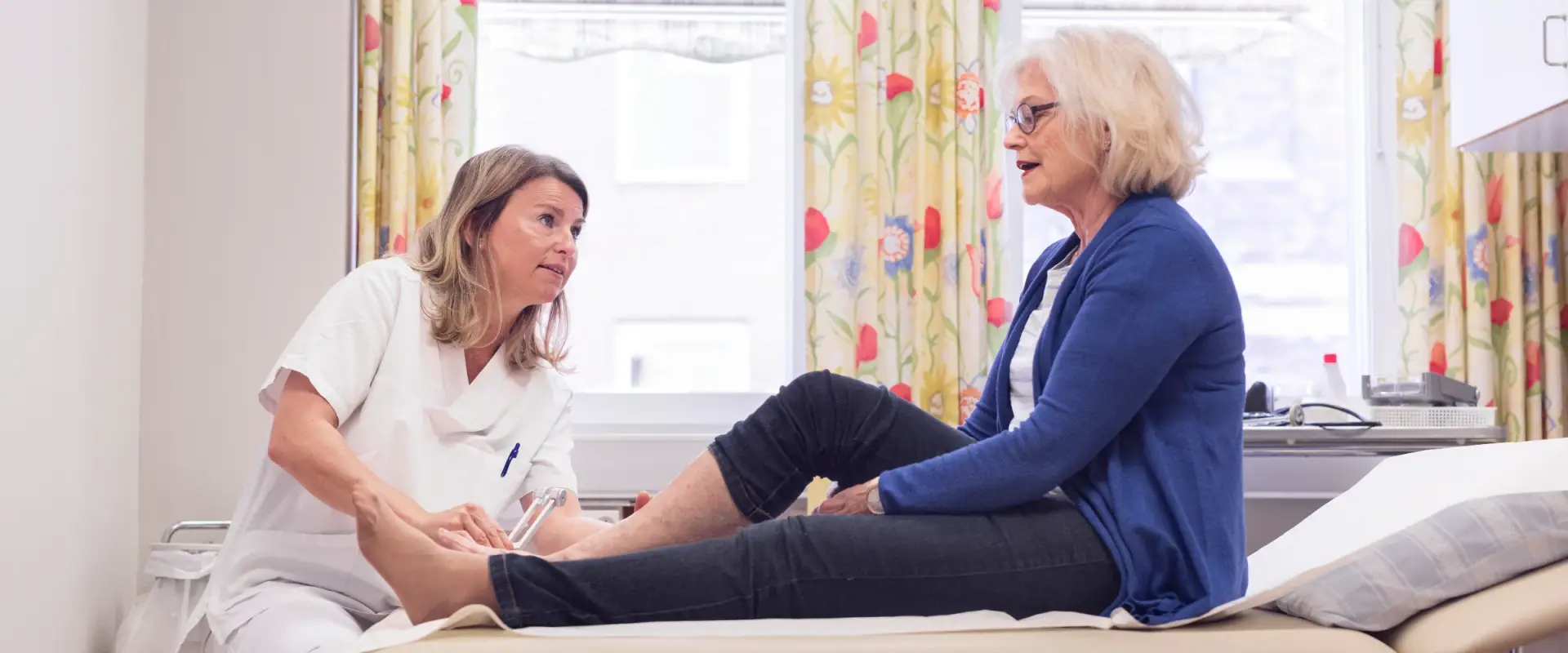
Conditions We Treat in Clifton, NJ
Corn & Callus Treatment in Clifton, NJ
Corn and callus treatment in Clifton, NJ with Dr. Marc Haspel addresses both the thick, hardened skin and the pressure that causes it. Corns and calluses on your toes or the bottom of your foot can make every step uncomfortable.
Thursday & Saturday Hours
Open until 6 pm Thursdays and 9 am–12 pm on alternate Saturdays
Understanding Corns & Calluses
What Are Corns and Calluses?
Corns and calluses are areas of thick, hardened skin that form where the foot is under repeated pressure or friction. Corns are small and round and usually form on the tops or sides of the toes. Calluses are larger and usually form on the bottom of the foot.
They are the skin’s way of protecting itself, but they can become painful. Corns and calluses often point to an underlying problem, such as a hammertoe or bunion.
Dr. Marc Haspel, DPM
Board-certified podiatric physician & surgeon
Know the Signs
Corns & Calluses: Symptoms & Causes
Understanding what you are feeling, and why, is the first step toward the right care.
Common Symptoms
- Thick, rough or hardened skin
- A hard, raised bump on a toe
- Pain or tenderness under pressure
- Dry, flaky or waxy skin
Causes & Risk Factors
Common Causes
Corns and calluses form from repeated pressure or friction, often from shoes or from the shape of the bones of the foot.
Risk Factors
- Tight or ill-fitting shoes and high heels
- Hammertoes and bunions
- Walking barefoot
- Foot structure problems
- Wearing shoes without socks
When Should You See a Doctor?
Make an appointment if a corn or callus is painful or keeps coming back. If you have diabetes or poor circulation, don’t trim or treat corns and calluses yourself; have them checked in our office instead. If you have a medical emergency, call 911.
Diagnosis
Dr. Haspel examines the skin and foot, looks for the source of pressure, such as a hammertoe, bunion or foot structure problem, and reviews your footwear.
Treatment Options
Conservative Treatment
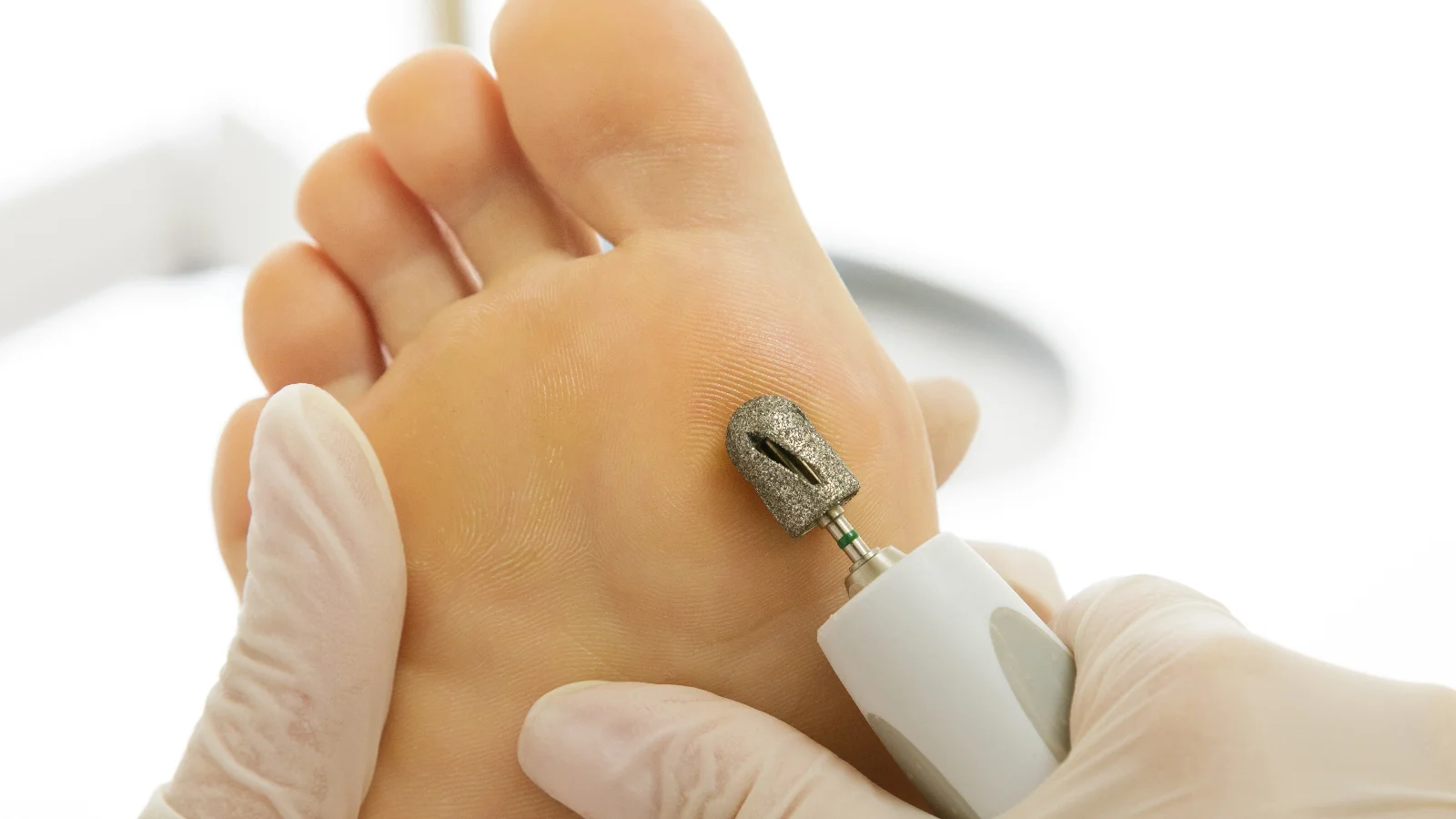
Gentle, routine foot care in the office can reduce thick, painful skin. Padding, roomier shoes and custom orthotics help relieve the pressure that causes corns and calluses to return.
Surgical Treatment
When an underlying deformity such as a hammertoe or bunion keeps causing painful corns and calluses, Dr. Haspel may discuss surgery to correct it.
Ongoing Care & Prevention
Ongoing Care
Routine foot care keeps thick skin under control, especially for patients with diabetes.
Prevention Tips
- Wear shoes that fit and have a roomy toe box
- Wear socks with your shoes
- Use padding over pressure points
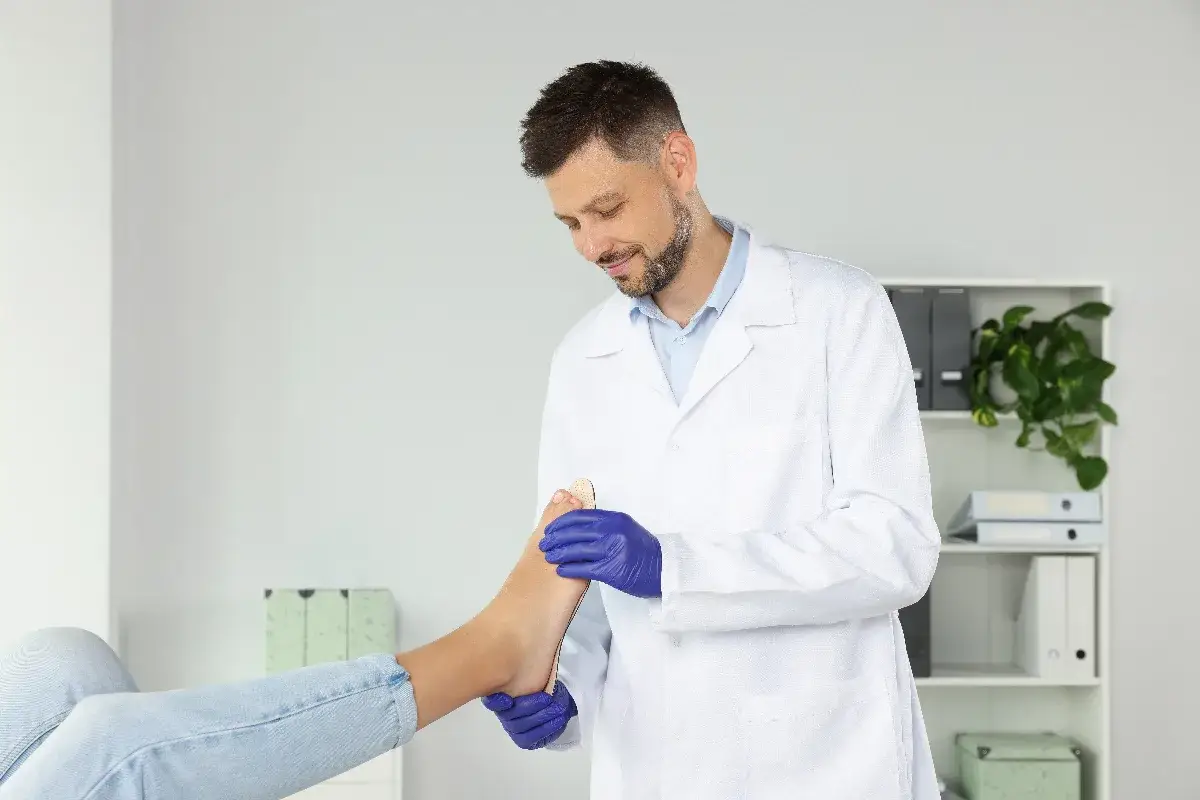
- Wear custom orthotics if they are prescribed
Next Steps
Schedule your visit
Call (973) 777-4650 or book online. Our Clifton office is open Monday to Friday from 9 am, Thursdays until 6 pm and alternate Saturdays from 9 am to 12 pm.
Related pages
Your Visit
What to Expect
From your first appointment through follow-up care, here is how care for corns & calluses usually works at our Clifton, NJ office.
01
Consultation
Dr. Haspel examines your foot, reviews your symptoms and discusses your goals.
02
Treatment
Your plan may include in-office care for thick skin, padding, footwear changes and custom orthotics.
03
Follow-Up
Follow-up visits help keep corns and calluses from coming back.
Related Care
Related Conditions & Services
Corn and callus care may also help with: hammertoes, bunions, diabetic foot care and skin conditions.
Hammertoes
A toe that bends down at the middle joint, treated with padding, footwear changes and surgery when needed.
Bunions
Padding, footwear changes and custom orthotics, with outpatient bunion surgery when a correction is needed.
Diabetic Foot & Wound Care
Comprehensive diabetic foot evaluations, wound care and the Medicare Diabetic Shoe Program.
Skin Conditions
Evaluation of growths and discoloration, plus treatment for plantar warts and athlete’s foot.
Custom Orthotics, Shoes & Braces
Custom orthotic devices, shoe therapy and braces to correct biomechanical problems and support walking.
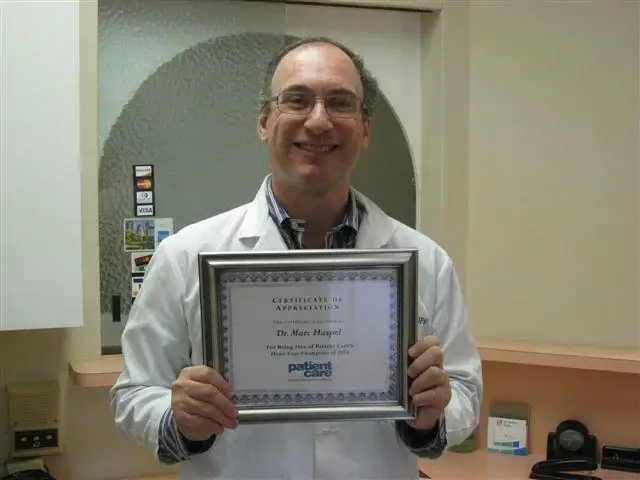
Board Certified
Podiatric surgery & podiatric medicine
Your Podiatrist
Why Choose Marc Haspel, DPM for Corns and Calluses?
Dr. Marc Haspel treats patients for corns and calluses at our office in Clifton, NJ.
Dr. Marc Haspel is a board-certified podiatric physician and surgeon with more than 35 years of experience caring for patients throughout Northern New Jersey.
- Gentle, routine foot care
- Care for the hammertoes and bunions behind many corns
- Diabetic foot care and the Medicare Diabetic Shoe Program
- Convenient office on Clifton Avenue in Clifton, NJ
FAQs
Frequently Asked Questions About Corns & Calluses
Answers to common questions about care for corns & calluses at our Clifton, NJ office. Have another question? Our staff is happy to help.
What is the difference between a corn and a callus?
Corns are small, round areas of thick skin, usually on the tops or sides of the toes. Calluses are larger and usually form on the bottom of the foot.
Can I remove a corn at home?
It’s best not to cut corns or calluses yourself, since this can injure the skin. This is especially important if you have diabetes or poor circulation.
Why do my corns keep coming back?
Corns and calluses return when the pressure that caused them is still there. Treating the source, such as your shoes, foot structure or a hammertoe, helps keep them away.
Are corns and calluses a concern if I have diabetes?
Yes. Thick skin can hide or lead to wounds. People with diabetes should have corns and calluses treated by a podiatrist.
Is treatment covered by insurance?
Most major insurance plans are accepted, including Medicare. Coverage varies by plan, so please call our office with questions about your benefits, referrals or pre-certification.
How do I schedule an appointment?
Call (973) 777-4650, use our online appointment request form or book with Dr. Haspel on Zocdoc. We’re open until 6 pm on Thursdays and from 9 am to 12 pm on alternate Saturdays.
More Ways We Can Help
Other Services at Our Clifton Office
Many foot and ankle problems overlap. These services are often part of the same care plan.
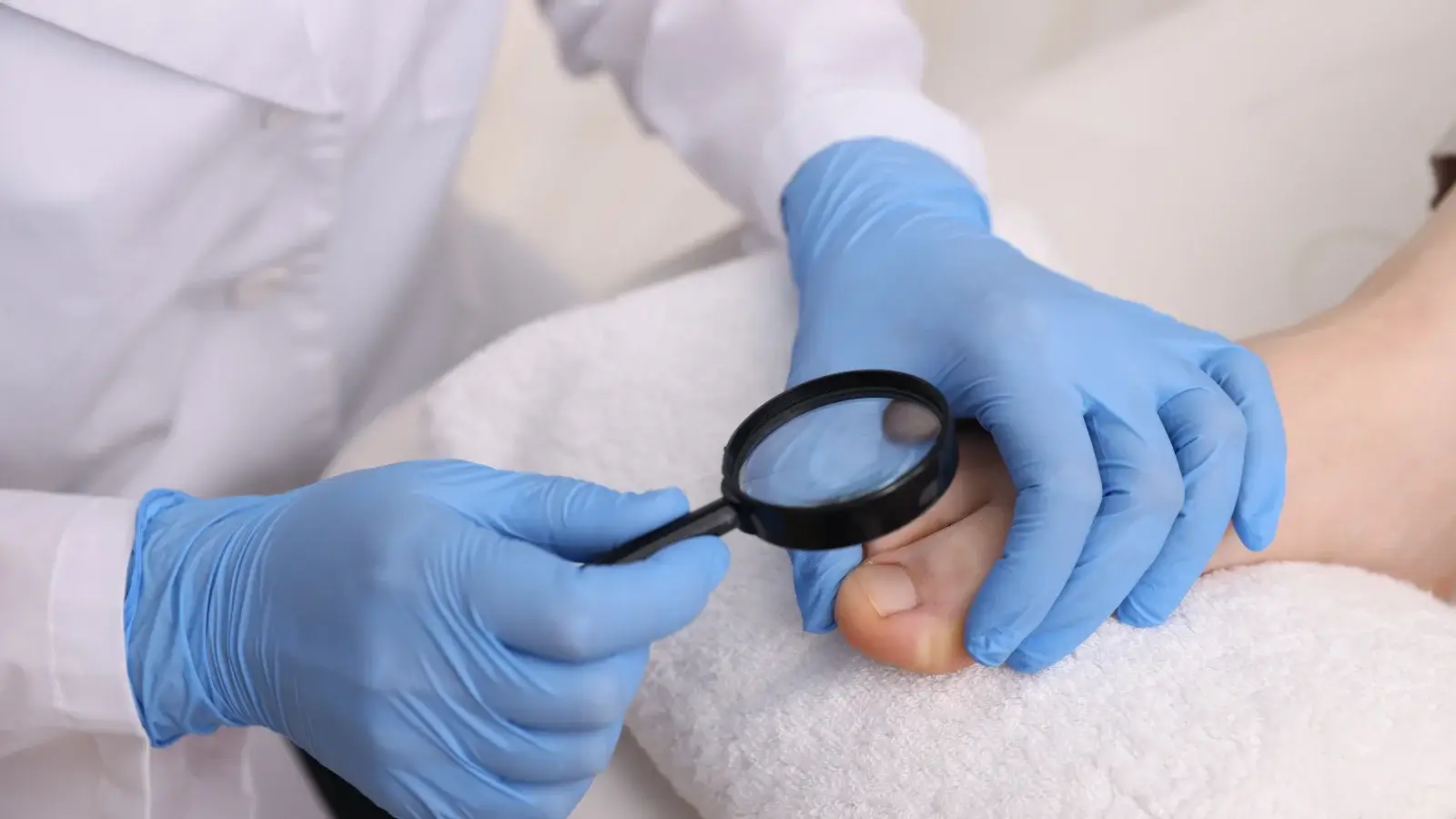
Evaluation of growths and discoloration, plus treatment for plantar warts and athlete’s foot.
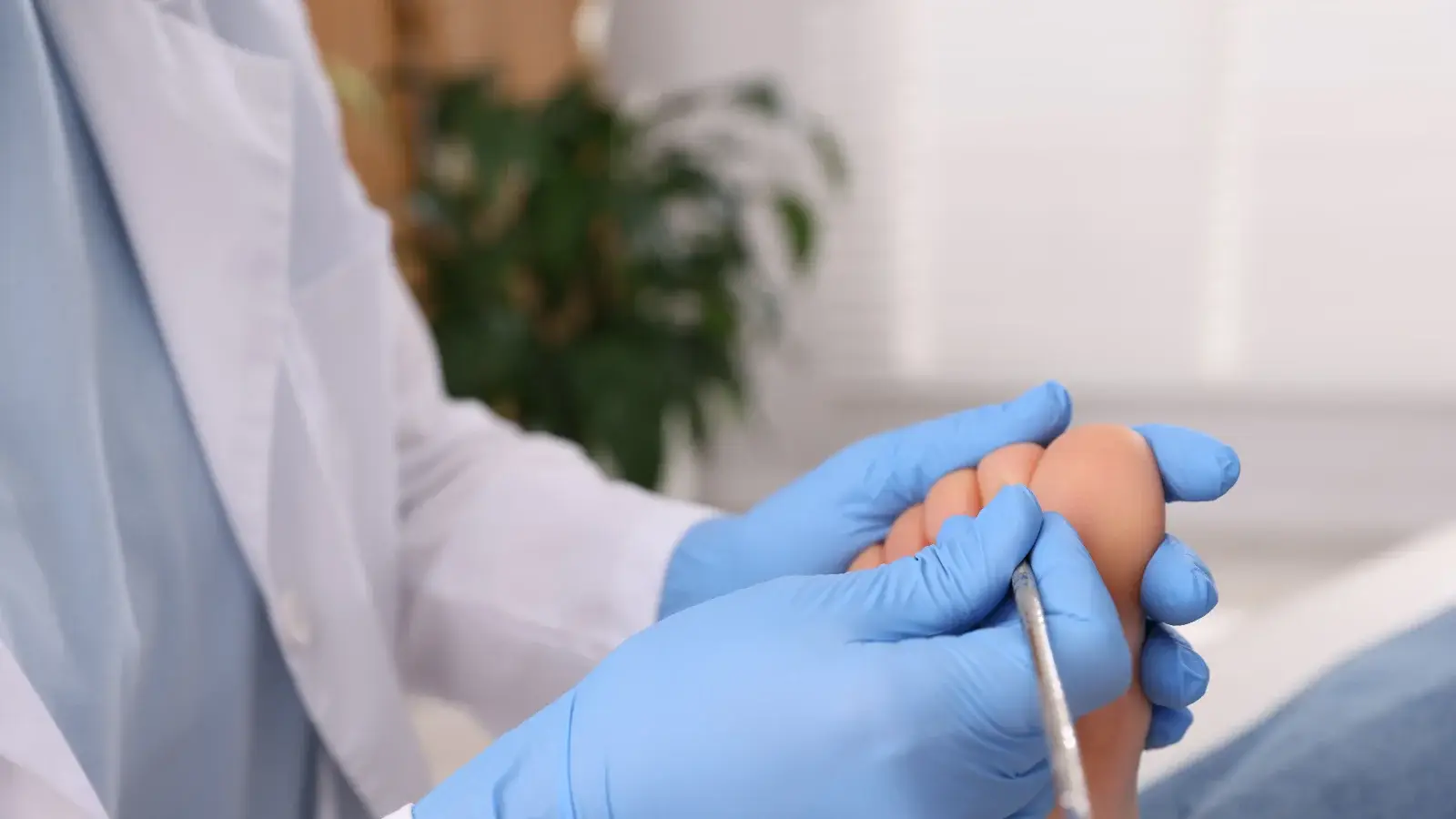
Comprehensive diabetic foot evaluations, wound care and the Medicare Diabetic Shoe Program.
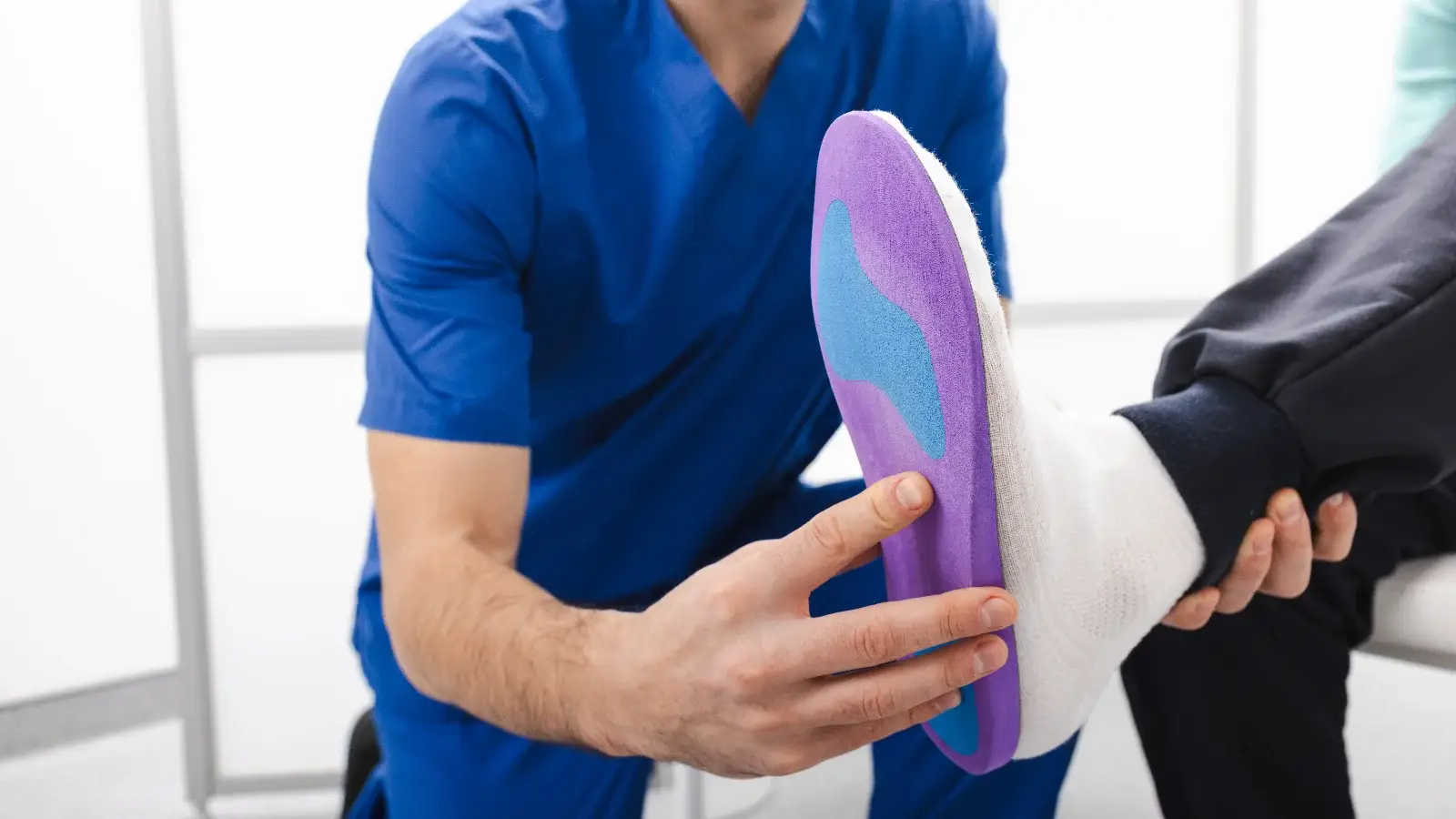
Custom orthotic devices, shoe therapy and braces to correct biomechanical problems and support walking.
Book Your Visit
Ready to Get Help With Corns and Calluses?
Schedule a visit with Dr. Haspel at our Clifton, NJ office. Call (973) 777-4650 or book online.
- 1100 Clifton Avenue, Suite C, Clifton, NJ 07013
- Mon–Fri from 9 am · Thu until 6 pm · Alt. Sat 9 am–12 pm